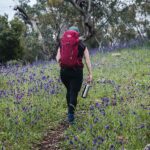
Stepping onto a trail surrounded by towering mountains, ancient forests, vast deserts, or dramatic canyons can feel like entering an entirely different world. National parks protect some of the most spectacular landscapes in the United States, offering opportunities to experience nature on a scale that is difficult to find elsewhere. For many people, a first national park hiking trip becomes the beginning of a lifelong passion for outdoor adventure.
Excitement often comes with uncertainty, especially for first-time visitors. Questions about where to go, what to pack, how to prepare, and what to expect can quickly feel overwhelming. I have planned hiking trips to national parks across North America, and one lesson has become clear over the years: good preparation makes the experience more enjoyable, safer, and far less stressful. Knowing how to plan your first national park hiking trip allows you to focus less on logistics and more on appreciating the landscapes that make these places so special.
Start With The Right National Park
Many first-time visitors immediately focus on the most famous parks, and that enthusiasm is understandable. Destinations like Yellowstone, Yosemite, Grand Canyon, and Zion have earned their reputations through extraordinary scenery and exceptional hiking opportunities.
Popularity, however, does not always mean suitability for a first trip. Some parks require extensive planning, advanced reservations, and careful navigation of large crowds. I often encourage beginners to consider what type of experience they want before selecting a destination. A person interested in waterfalls may prefer Yosemite, while someone fascinated by desert landscapes may find greater satisfaction in Zion or Arches.
Distance and travel logistics should also factor into the decision. A national park that requires multiple flights and lengthy drives may add unnecessary complexity to a first hiking adventure. Selecting a destination that is relatively easy to reach can help reduce stress and increase enjoyment.
Research Seasonal Conditions
National parks change dramatically throughout the year. Weather, trail accessibility, wildlife activity, and visitor numbers can vary significantly depending on the season. Failing to consider these factors can lead to unexpected challenges.
One spring visit to a mountain park taught me an important lesson. Photographs online showed sunny trails and green meadows, but higher elevations remained buried under snow. What appeared to be a straightforward hike required entirely different equipment than I had anticipated. Since then, I always research current seasonal conditions before finalizing plans.
Summer often brings warm weather and full trail access, but it also attracts the largest crowds. Spring and fall can provide excellent hiking conditions with fewer visitors. Winter offers unique opportunities in certain parks, although snow and road closures may limit access to some areas.
Select Trails That Match Your Experience
One of the most common mistakes among first-time national park visitors is attempting hikes that exceed their fitness level or experience. Spectacular photographs can make challenging routes appear deceptively accessible.
Before selecting a trail, I examine distance, elevation gain, estimated hiking time, and recent trail conditions. A hike that looks manageable on paper may feel significantly more difficult due to altitude, heat, or rugged terrain. Honest self-assessment helps prevent unpleasant surprises.
Many parks offer excellent beginner-friendly trails that provide outstanding scenery without extreme physical demands. Starting with shorter hikes allows new visitors to build confidence while becoming familiar with the park’s environment.
Reserve Lodging Early
Planning accommodations is often one of the most important aspects of a national park trip. Popular destinations frequently book months in advance, especially during peak travel seasons.
Staying inside the park offers several advantages. Early access to trailheads, reduced driving time, and opportunities to experience sunrise and sunset within the park can significantly enhance the visit. I have often appreciated the ability to begin hiking before day visitors arrive.
Outside lodging can provide more options and sometimes lower costs. Nearby towns frequently offer hotels, vacation rentals, and additional dining opportunities. The best choice depends on budget, availability, and personal preferences.
Learn About Permit Requirements
Many national parks now require permits or reservations for specific activities. Some popular trails limit daily visitor numbers, while certain parks use timed-entry systems to manage crowds.
Permit requirements can surprise first-time visitors who assume public lands are always freely accessible. Researching these regulations well in advance helps avoid disappointment and ensures access to desired trails or attractions.
Backcountry permits deserve special attention for anyone planning overnight hikes. These permits often involve separate reservation systems and additional regulations designed to protect natural resources and maintain visitor safety.
Build A Realistic Daily Itinerary
Ambitious plans often look appealing during the planning stage, but national parks are best enjoyed at a comfortable pace. Attempting to cram too many activities into a single day can lead to exhaustion and unnecessary stress.
I prefer building flexibility into my itinerary. Rather than scheduling every hour, I identify a few priority hikes and attractions while leaving room for unexpected discoveries. Some of my favorite experiences have occurred when I deviated from a carefully prepared plan.
Travel time within large parks is another factor people frequently underestimate. Roads may be longer, slower, and busier than expected. Allowing extra time between activities helps create a more relaxed and enjoyable experience.
Pack The Right Gear
Proper gear contributes significantly to both comfort and safety. Fortunately, most day hikes do not require expensive or highly specialized equipment.
Comfortable hiking shoes remain one of the most important investments. Ill-fitting footwear can quickly transform an enjoyable hike into an uncomfortable ordeal. I always prioritize comfort and support over appearance when selecting hiking shoes.
Clothing should reflect anticipated weather conditions. Layering allows hikers to adapt to changing temperatures throughout the day. Even during summer, mountain environments can experience surprisingly cool mornings and evenings.
Carry Essential Safety Items
National parks may feel accessible, but they remain natural environments where conditions can change rapidly. Carrying essential safety items helps prepare for unexpected situations.
Water is always my top priority. Dehydration can occur quickly, especially in desert parks or during hot weather. Carrying more water than you expect to need is generally a wise decision.
Additional essentials include snacks, navigation tools, a first-aid kit, sun protection, and a flashlight or headlamp. These items take up relatively little space but can make a significant difference during emergencies or unforeseen delays.
Learn Basic Trail Etiquette
Respect for fellow hikers and natural resources enhances everyone’s experience. National parks welcome millions of visitors annually, making proper trail etiquette especially important.
Yielding appropriately, minimizing noise, and staying on designated trails help maintain a positive environment for all visitors. These simple practices reduce conflicts and protect fragile ecosystems from unnecessary damage.
Wildlife interactions require particular caution. Observing animals from a safe distance protects both visitors and wildlife. Feeding animals may seem harmless, but it can disrupt natural behaviors and create long-term problems for park ecosystems.
Prepare For Changing Weather
Weather remains one of the most unpredictable aspects of hiking. Conditions can shift rapidly, particularly in mountainous regions where storms may develop with little warning.
Checking forecasts before departure is important, but I also pay attention to conditions throughout the day. Darkening skies, increasing winds, or sudden temperature changes often signal approaching weather systems.
Having a backup plan can prevent frustration. If a storm affects one trail, another lower-elevation option may still provide an enjoyable experience. Flexibility allows visitors to adapt without sacrificing the overall quality of the trip.
Use Visitor Centers To Your Advantage
Visitor centers provide valuable resources that many first-time hikers overlook. Rangers possess current information about trail conditions, wildlife activity, weather forecasts, and safety concerns.
I often make the visitor center my first stop upon arriving at a park. Conversations with rangers frequently reveal opportunities or considerations that were not apparent during online research.
Maps, educational exhibits, and park-specific recommendations can also improve trip planning. Spending a few minutes gathering information often leads to better decisions throughout the visit.
Respect Your Physical Limits
National parks inspire adventure, but enthusiasm should never override good judgment. Challenging terrain, altitude, and environmental conditions can affect hikers differently than expected.
I have occasionally altered plans after recognizing that a trail was more demanding than anticipated. Making adjustments is not a sign of failure. It reflects good decision-making and an awareness of personal limitations.
Turning around before reaching a destination is sometimes the smartest choice. The trail will remain there for future visits, while safety should always remain the highest priority.
Capture Memories Without Missing The Experience
Photography plays an important role in many national park visits. Stunning landscapes naturally encourage visitors to document their adventures.
While I enjoy taking photographs, I also make a conscious effort to spend time simply observing my surroundings. Some moments are best experienced directly rather than through a camera screen.
Balancing photography with presence enhances the overall experience. The memories formed through observation often become just as meaningful as the images captured during the trip.
Leave No Trace
National parks depend on responsible visitors to preserve their beauty for future generations. Following Leave No Trace principles helps protect the landscapes that attract millions of people each year.
Packing out all trash, remaining on designated trails, and respecting wildlife habitats are simple but effective ways to minimize environmental impact. Small actions collectively make a significant difference.
I often remind myself that future visitors deserve the same pristine experience that I hope to enjoy. Treating the park with care ensures these extraordinary places remain healthy and accessible for years to come.
Manage Expectations About Crowds
Many iconic national parks experience substantial visitation, particularly during holidays and summer months. Crowds can affect parking availability, trail experiences, and wait times at popular attractions.
Arriving early often provides the best solution. Starting hikes near sunrise not only improves access but also offers beautiful lighting and cooler temperatures. Some of my favorite national park memories occurred during those quiet early morning hours.
Exploring lesser-known trails can also help avoid congestion. While famous destinations deserve attention, many hidden gems exist beyond the most heavily visited areas.
Build Confidence Through Preparation
Confidence grows naturally when preparation is thorough. Researching trails, packing appropriate gear, and understanding park regulations create a strong foundation for success.
The goal is not to eliminate every uncertainty. Adventure inherently involves some level of unpredictability. Preparation simply increases the likelihood that unexpected situations remain manageable rather than overwhelming.
Each successful hiking experience builds skills and confidence for future adventures. A first national park trip often serves as the beginning of a much larger journey into outdoor exploration.
Final Thoughts
Planning a memorable outdoor adventure does not require years of experience or advanced wilderness skills. With thoughtful preparation and realistic expectations, anyone can enjoy the incredible opportunities national parks provide.
How to plan your first national park hiking trip ultimately comes down to balancing excitement with preparation. Selecting the right park, researching conditions, carrying essential gear, and respecting both nature and personal limits all contribute to a safer and more rewarding experience.
Some of my most cherished hiking memories began with careful planning and a sense of anticipation. The towering mountains, dramatic canyons, ancient forests, and expansive deserts found within America’s national parks have a way of inspiring awe unlike almost anywhere else. Your first national park hiking trip may start with a map and a checklist, but it often ends with a deeper appreciation for nature and a desire to return to the trail again and again.