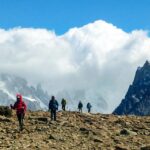
Stepping onto a trail alone creates a different kind of outdoor experience. The conversations disappear, the distractions fade, and the pace becomes entirely your own. With no one else’s schedule, energy level, or preferences influencing the journey, the connection between hiker and landscape feels more direct and personal.
Some of my most rewarding adventures across the United States have been solo hikes. From remote desert canyons in Utah to alpine trails in Colorado and quiet forest paths in the Appalachians, hiking alone has taught me lessons that extend far beyond outdoor recreation. It has strengthened my confidence, sharpened my awareness, and deepened my appreciation for nature. At the same time, solo hiking demands preparation, responsibility, and respect for the challenges that come with traveling alone. Hiking Solo in the USA: What You Need to Know covers the essential lessons, strategies, and realities that every solo hiker should consider before heading into the wilderness alone.
Why Solo Hiking Appeals to So Many People
The freedom that comes with hiking alone is difficult to match. Decisions become simple because there is no need to coordinate with others. If I want to stop for thirty minutes beside an alpine lake, take photographs of wildflowers, or spend an hour watching wildlife, I can do so without worrying about anyone else’s plans.
Solo hiking also creates an opportunity for reflection. Modern life is filled with constant noise, notifications, and obligations. Spending several hours on a trail with nothing but natural sounds often feels like a reset for the mind. Some of my clearest thoughts have arrived during long stretches of quiet hiking.
The sense of accomplishment can also be particularly rewarding. Navigating a trail, managing conditions, and completing a challenging route independently creates a level of satisfaction that differs from group adventures. The experience becomes entirely your own.
Start With Familiar Trails
One mistake many new solo hikers make is attempting an ambitious adventure too early. Hiking alone introduces additional responsibilities, making familiar environments the best place to gain experience.
I always recommend beginning with well-marked trails that have moderate traffic. Familiarity reduces stress and allows hikers to focus on developing confidence rather than dealing with complicated navigation or remote conditions. A local state park or popular national park trail often provides an excellent starting point.
Building experience gradually creates a strong foundation for future adventures. Confidence grows naturally as skills improve and solo hiking becomes more comfortable.
Tell Someone Your Plans
One of the most important habits in solo hiking begins before leaving home. Someone should always know where you are going, which trail you plan to hike, and when you expect to return.
Before every solo hike, I share my itinerary with a trusted friend or family member. I provide trail names, expected routes, parking locations, and estimated return times. This information may seem unnecessary until something unexpected occurs.
Search and rescue teams frequently rely on information provided by family members when locating missing hikers. A simple message sent before the hike can significantly improve emergency response if assistance becomes necessary.
Carry Reliable Navigation Tools
Navigation becomes even more important when hiking alone. Without a partner to double-check directions or help interpret maps, responsibility rests entirely on the individual hiker.
I never depend solely on a smartphone. Although phones are useful, batteries fail, signals disappear, and electronic devices occasionally malfunction. Carrying offline maps, a physical map, or a GPS device adds an important layer of security.
Getting lost often results from a series of small mistakes rather than a single major error. Reliable navigation tools help prevent those mistakes from escalating into larger problems.
Know Your Limits
Solo hiking is not the place for ego-driven decisions. Honest self-assessment remains one of the most valuable skills a hiker can develop.
I pay close attention to weather conditions, energy levels, hydration, and trail difficulty. If something feels wrong or conditions deteriorate, turning around becomes a valid and often wise decision. The mountain, canyon, or destination will still be there another day.
Many outdoor accidents occur because hikers continue despite obvious warning signs. Good judgment often matters more than physical fitness or technical ability.
Pack More Than the Basics
A solo hiker cannot rely on a partner for backup gear or emergency supplies. This reality makes preparation particularly important.
My pack always includes extra water, food, layers, navigation tools, a first-aid kit, a flashlight, and emergency supplies. The exact contents vary depending on the destination, but the goal remains the same: prepare for situations that may extend the hike unexpectedly.
Carrying additional essentials may add a little weight, but the added security is worth it. Most emergency gear remains unused during typical hikes, yet it becomes invaluable when needed.
Pay Attention to Weather
Weather influences nearly every aspect of outdoor safety. Conditions that seem manageable during a group hike may become more serious when traveling alone.
Mountain weather deserves particular respect. Clear skies can quickly give way to thunderstorms, strong winds, or sudden temperature drops. Desert regions bring their own challenges, including extreme heat and limited water sources.
I always check forecasts before departure and continue monitoring conditions throughout the hike. Staying aware of changing weather helps prevent small inconveniences from becoming serious situations.
Trust Your Instincts
One lesson solo hiking has reinforced repeatedly is the value of intuition. If a situation feels unsafe, it deserves attention.
This applies to trail conditions, weather concerns, wildlife encounters, and interactions with other people. Most hikers are friendly and respectful, but there is no obligation to ignore discomfort or remain in situations that feel wrong.
Trusting instincts does not mean acting out of fear. It means respecting the subtle observations and experiences that often alert us to potential problems before they become obvious.
Wildlife Awareness Matters
The United States contains remarkable wildlife, and encountering animals often becomes a highlight of hiking adventures. Solo hikers should understand the wildlife present in the areas they visit and know how to respond appropriately.
I research local wildlife before visiting new destinations. Bears, mountain lions, snakes, moose, and other animals require different approaches depending on the region. Preparation reduces uncertainty and improves decision-making during encounters.
Maintaining distance remains the most important principle. Wildlife should be observed and appreciated without interference or unnecessary risk.
Benefits of Hiking During Popular Hours
Many experienced hikers enjoy solitude, but complete isolation is not always the best option for newer solo adventurers.
Popular trails during daylight hours provide a balance between independence and safety. Other hikers may be available if assistance becomes necessary, while still allowing plenty of opportunities for personal reflection and quiet moments.
As experience grows, hikers can gradually expand into more remote areas. Starting with well-traveled routes creates a safer introduction to solo hiking.
Mental Challenges of Hiking Alone
Physical preparation often receives most of the attention, but the mental side of solo hiking deserves equal consideration. Spending extended periods alone can feel unfamiliar, particularly for hikers accustomed to group outings.
Small concerns sometimes seem larger when no one else is present. Unusual sounds, changing weather, or unexpected trail conditions may trigger anxiety. With experience, I learned that many of these moments simply require patience and rational evaluation.
The mental rewards often outweigh the challenges. Solo hiking encourages self-reliance, focus, and confidence in ways that few other activities can match.
Selecting the Right Solo Destinations
Not all trails are equally suitable for solo adventures. Some destinations provide excellent environments for building confidence and experience.
National parks often offer ideal options because trails are generally well-marked and visitor services remain accessible. Places such as Yosemite, Rocky Mountain National Park, Shenandoah National Park, and Acadia National Park feature numerous routes suitable for solo hikers.
Remote backcountry expeditions can be rewarding later, but beginning with established trail systems allows hikers to develop skills gradually while minimizing unnecessary risks.
Technology Can Help but Should Not Replace Preparation
Modern technology has improved outdoor safety significantly. GPS devices, satellite communicators, weather apps, and emergency locator tools provide valuable support for solo hikers.
I frequently carry a satellite communicator when hiking in remote regions. The ability to send messages or request assistance from areas without cellular coverage provides additional peace of mind.
Technology works best as a supplement rather than a substitute for preparation. Strong planning, navigation skills, and good judgment remain the foundation of safe hiking.
Building Confidence Through Experience
Confidence in solo hiking develops over time. It does not arrive suddenly after completing a single trail. Each successful hike adds knowledge, experience, and familiarity with outdoor environments.
Some of my earliest solo hikes were short and relatively simple. Over time, those experiences led to longer routes, more challenging terrain, and greater independence. The gradual progression made the learning process enjoyable rather than overwhelming.
Patience is important. Developing outdoor skills is a journey, and confidence grows naturally through consistent experience.
The Unique Rewards of Solitude
One reason I continue returning to solo hiking is the sense of connection it creates. Without conversation or distractions, subtle details become more noticeable. Birdsong, changing light, distant waterfalls, and shifting weather patterns all seem more vivid.
Moments of solitude often become the most memorable parts of a hike. Watching sunrise from a mountain overlook or sitting beside a remote lake in complete silence creates experiences that remain meaningful long after the hike ends.
These moments remind me why hiking remains such a powerful activity. The trail becomes more than a route through nature; it becomes an opportunity to reconnect with both the landscape and oneself.
Final Thoughts
Solo hiking offers a unique blend of freedom, challenge, and personal growth. It allows hikers to travel at their own pace, develop confidence, and experience nature in a deeply personal way. The rewards can be extraordinary, but they depend on preparation, awareness, and responsible decision-making.
Hiking Solo in the USA: What You Need to Know is ultimately about balancing independence with caution. Sharing your plans, carrying the right gear, respecting weather conditions, and knowing your limits all contribute to safer and more enjoyable adventures.
The trails of the United States provide endless opportunities for exploration, whether winding through mountain ranges, forests, deserts, or coastal landscapes. For those willing to prepare carefully and embrace the experience, solo hiking can become one of the most rewarding ways to discover the natural world.