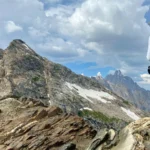
Morning fog drifted slowly across the valley while the trail ahead disappeared into thick pine forest. I had already spent years hiking famous parks crowded with shuttle buses, packed overlooks, and long entrance lines, yet this quiet stretch of wilderness felt more powerful than many of the iconic destinations splashed across postcards. The silence alone changed the experience. Instead of competing for a view, I could hear wind moving through the trees and water rushing over distant rocks.
Some of the best hikes in America hide inside national parks that rarely dominate travel lists. They lack the celebrity status of Yellowstone or Yosemite, but many deliver equally dramatic landscapes without the exhausting crowds. Hidden Gems: Underrated National Parks You Need to Hike Now is not about checking famous destinations off a bucket list. It is about finding the trails that still feel personal, untamed, and deeply connected to the raw beauty of the American wilderness.
North Cascades National Park, Washington
Sharp mountain peaks cut through low clouds while glaciers clung to the slopes above the valley floor. Inside North Cascades National Park, the scenery feels almost too dramatic to be real. More than three hundred glaciers remain scattered throughout the park, creating an alpine landscape that rivals anything I have seen in the Rockies.
The Cascade Pass Trail quickly became one of my favorite hikes in the Pacific Northwest. Wildflowers exploded across the hillsides during late summer while marmots darted between rocks near the trail. The higher the path climbed, the more isolated the world below seemed to become.
Unlike many famous parks, North Cascades still offers long stretches of solitude even during peak season. I spent hours hiking without crossing paths with another person, which made the experience feel far more immersive. The mountains here feel wild in the purest sense of the word.
Great Basin National Park, Nevada
Desert valleys stretched endlessly behind me while snow still clung to the upper slopes of Wheeler Peak. Great Basin National Park rarely receives the attention it deserves, yet the contrast between harsh desert terrain and cool alpine forests creates one of the most fascinating environments in the country.
The Bristlecone Pine Trail winds through ancient groves containing some of the oldest living trees on Earth. Twisted trunks stand against the mountain sky like sculptures shaped by centuries of wind and snow. Hiking among them carried a strange sense of perspective because many of those trees were already alive long before modern nations even existed.
Nightfall inside Great Basin delivers another unforgettable experience. The park remains one of the darkest places in the United States, and the stars appear so vivid that the sky barely looks real. After a full day on the trails, sitting beneath that enormous blanket of stars felt almost surreal.
Lassen Volcanic National Park, California
Steam hissed from the ground while the sharp smell of sulfur drifted through the air beside the trail. Hiking through Lassen Volcanic National Park feels like wandering across a living geological laboratory where the earth still breathes beneath your feet.
The Bumpass Hell Trail passes bubbling mud pots, steaming vents, and boiling pools painted in shades of orange and yellow. At times, the landscape resembles Iceland more than California. Higher elevations around Lassen Peak reveal alpine lakes and volcanic rock fields shaped by past eruptions.
Crowds remain surprisingly manageable even during summer months. That relative quiet allows the strange sounds of the geothermal landscape to dominate the experience. Wind, steam, and bubbling water combine into an atmosphere unlike anywhere else I have hiked in America.
Guadalupe Mountains National Park, Texas
Dry wind swept across the ridges while jagged peaks rose dramatically above the desert floor. Guadalupe Mountains National Park surprised me immediately because few people associate Texas with serious mountain hiking. The terrain here feels rugged, remote, and far removed from the stereotypes many travelers expect.
The hike to Guadalupe Peak gains elevation steadily before opening into sweeping views across western Texas and southern New Mexico. During sunrise, golden light spreads slowly across the desert while shadows carve sharp textures into the surrounding cliffs.
McKittrick Canyon offers an entirely different atmosphere inside the same park. Cottonwood trees line the canyon floor, and autumn transforms the landscape into a burst of orange and red rarely associated with Texas wilderness. That dramatic shift between dry mountain ridges and lush canyon scenery gives the park unusual variety.
Isle Royale National Park, Michigan
Cold mist rolled across Lake Superior while the ferry slowly approached the island. Reaching Isle Royale National Park already feels like an adventure because the park remains accessible only by boat or seaplane. That isolation creates one of the most peaceful hiking experiences in the country.
Trails weave through dense forest, rocky shorelines, and quiet inland lakes where moose often wander near the water’s edge. Backpacking across the island felt completely disconnected from modern life. Phone signals disappeared quickly, and days became defined by weather, trail conditions, and campfire conversations.
Few national parks deliver this level of solitude. Some sections of trail remained completely empty for hours, allowing the sounds of waves and wind to dominate the landscape. Hidden Gems: Underrated National Parks You Need to Hike Now would feel incomplete without Isle Royale because the park captures wilderness in its purest form.
Black Canyon Of The Gunnison National Park, Colorado
Dark canyon walls dropped steeply toward the Gunnison River while sunlight barely reached the depths below. Black Canyon of the Gunnison National Park feels intimidating in the best possible way. The cliffs are so steep and narrow that sections of the canyon receive only minutes of sunlight each day.
The Rim Rock Trail provides incredible overlooks without requiring an exhausting climb. Far below, the river cuts through ancient stone with relentless force. More advanced hikers can descend into the inner canyon, though the routes quickly become steep and physically demanding.
Standing near the edge of the canyon created a strange mix of awe and unease. The sheer scale feels overwhelming, especially once shadows begin filling the canyon during late afternoon. Few parks in America carry such a dramatic atmosphere.
Congaree National Park, South Carolina
Towering hardwood trees rose above the floodplain while sunlight filtered through thick green canopy overhead. Congaree National Park protects one of the largest old-growth forests remaining in the eastern United States, yet many travelers drive past it without realizing what waits inside.
The boardwalk trails move through swampy terrain filled with towering cypress trees and rich wildlife. Bird calls echo constantly through the forest, and the humidity adds a heavy stillness to the air. During certain seasons, sections of the park flood completely, transforming the landscape into a watery maze.
Kayaking through Congaree added another layer to the experience. Reflections of giant trees shimmered across dark water while the forest stretched endlessly in every direction. It felt ancient and strangely untouched despite sitting within driving distance of major cities.
Capitol Reef National Park, Utah
Red cliffs glowed beneath the afternoon sun while narrow canyons twisted deep into the desert landscape. Capitol Reef National Park often gets overshadowed by Zion and Bryce Canyon, yet the park delivers some of the Southwest’s most striking scenery without overwhelming crowds.
The Cassidy Arch Trail climbs steadily across slickrock before revealing a massive sandstone arch suspended high above the canyon floor. Wind moves constantly through the open desert, carrying the dry scent of sagebrush across the rocks.
Capitol Gorge quickly became another standout trail during my visit. Sheer canyon walls rise on both sides while historic inscriptions remain etched into the rock from travelers who passed through generations ago. The mixture of geological beauty and human history gives the park a unique personality.
Dry Tortugas National Park, Florida
Turquoise water surrounded the islands while seabirds circled above the old brick fortress at the center of the park. Dry Tortugas National Park feels wildly different from most national parks because nearly all of it exists underwater.
Reaching the islands requires either a boat or seaplane journey from Key West, which keeps visitation relatively limited. Short trails wind around Fort Jefferson while beaches and coral reefs create an almost tropical dreamscape far removed from mainland Florida.
Snorkeling here became just as memorable as hiking. Bright fish moved through crystal-clear water while sea turtles drifted calmly near the reefs. The combination of history, ocean scenery, and remote island atmosphere makes Dry Tortugas one of the most underrated destinations in the country.
Theodore Roosevelt National Park, North Dakota
Wild horses moved across the badlands while layers of colorful rock stretched toward the horizon. Theodore Roosevelt National Park carries a quiet beauty that slowly grows stronger the longer you stay.
The park’s trails weave through rugged hills, open prairie, and dramatic badland formations shaped by erosion over millions of years. Bison graze freely across the landscape, and sunsets paint the rock formations in shades of orange, pink, and deep gold.
Hiking here felt deeply calming compared to more crowded western parks. Wide open space dominates the scenery, and the silence creates room to notice details often missed elsewhere. Wind through the grass, distant animal calls, and shifting shadows become part of the experience.
Pinnacles National Park, California
Jagged volcanic spires rose above the trail while condors circled high overhead against the blue California sky. Pinnacles National Park delivers a landscape shaped by ancient volcanic activity and dramatic tectonic movement.
The High Peaks Trail climbs through narrow rock passages and steep stair sections carved directly into the stone. Talus caves scattered throughout the park add another layer of adventure, forcing hikers to scramble through dark rocky chambers where sunlight barely enters.
Wildlife encounters feel especially memorable here because the endangered California condor often appears soaring above the cliffs. Watching those enormous birds glide silently through the canyon made the landscape feel even more untamed.
Final Thoughts
Famous parks deserve their reputations, but some of the most rewarding hikes I have experienced happened far from the busiest tourist routes. Smaller crowds change the rhythm of a trail completely. Conversations become quieter, wildlife appears more often, and the landscape feels less filtered through the noise of constant tourism.
Hidden Gems: Underrated National Parks You Need to Hike Now highlights places that still carry a sense of discovery many travelers crave. These parks remind me why hiking continues to feel meaningful after so many years on the trail. The views matter, but the deeper reward often comes from finding places that still feel wild, personal, and slightly forgotten by the rest of the world.