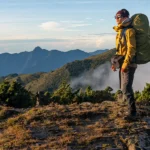
Standing on the rim of the Grand Canyon never gets old. No matter how many times I visit, the sheer scale of the landscape stops me in my tracks. The layered walls, winding Colorado River, and endless horizons create a hiking destination unlike any other in North America. Every trail reveals a different side of this geological masterpiece, from easy walks along the rim to demanding descents deep into the canyon’s heart.
What makes the park so special is the variety of experiences packed into one place. Some hikes reward visitors with breathtaking overlooks after just a short walk, while others require careful planning, endurance, and respect for the desert environment. These 12 bucket-list hikes in Grand Canyon National Park showcase the very best of what the park has to offer and provide adventures that remain etched in memory long after the dust has been washed from your boots.
Bright Angel Trail
Few trails capture the essence of the Grand Canyon better than Bright Angel Trail. Beginning at the South Rim, this historic route descends through layers of ancient rock while offering some of the most dramatic scenery in the park. Every switchback seems to reveal a new perspective, making it one of the most rewarding trails for hikers of all experience levels.
I have always appreciated how well-maintained this trail is compared to many others in the canyon. Water stations, resthouses, and clear signage make navigation straightforward, though hikers should never underestimate the challenge of climbing back out. Even a short journey to the Mile-and-a-Half Resthouse delivers unforgettable views.
For those seeking a bigger adventure, continuing to Indian Garden and beyond opens up even more spectacular landscapes. The trail demonstrates why preparation is critical in desert environments, where the return journey often proves far more difficult than the descent.
South Kaibab Trail
South Kaibab Trail offers some of the most iconic views in the entire national park. Unlike Bright Angel, this route follows exposed ridges and provides nearly constant panoramas. The scenery begins immediately, making it an excellent option for photographers and first-time visitors.
Walking this trail feels like stepping into a giant natural amphitheater. The viewpoints at Ooh Aah Point and Cedar Ridge are famous for good reason. Each overlook showcases the canyon’s immense scale and vibrant colors in a way that photographs struggle to capture.
The absence of water along the trail means carrying sufficient supplies is essential. Despite the challenges, South Kaibab remains one of the most memorable experiences among the many bucket-list hikes in Grand Canyon National Park.
Rim Trail
Not every great canyon hike requires a demanding descent. Rim Trail follows the edge of the South Rim and provides exceptional views while remaining accessible to a wide range of visitors. The trail stretches for miles, allowing hikers to customize their experience based on available time and energy.
I often recommend this route to travelers who want stunning scenery without committing to a strenuous trek. The relatively flat terrain makes it ideal for leisurely exploration. Along the way, numerous viewpoints reveal different angles of the canyon, each with its own personality.
Sunrise and sunset walks here are particularly rewarding. Watching the changing light transform the canyon walls creates one of the most memorable experiences in the American Southwest.
North Kaibab Trail
The North Rim offers a quieter and more remote atmosphere than the South Rim, and North Kaibab Trail is its signature route. Descending into the canyon from the north provides a dramatically different perspective and introduces hikers to diverse ecosystems.
One of the things I enjoy most about this trail is the transition between environments. The journey begins among forests of pine and aspen before dropping into increasingly rugged desert terrain. The contrast highlights the incredible ecological diversity of the park.
Many hikers venture as far as Roaring Springs or Cottonwood Campground before turning around. Those destinations alone provide a remarkable adventure while avoiding the demands of a full rim-to-rim crossing.
Grandview Trail
Grandview Trail lives up to its name from the moment it begins. Originally constructed by miners during the late nineteenth century, the route follows steep terrain and rewards hikers with expansive canyon vistas.
The trail feels more rugged and less developed than some of the park’s better-known routes. Loose rocks and steep grades require careful footing, making it better suited for experienced hikers comfortable with challenging terrain.
Despite the effort involved, the views are extraordinary. The route provides a sense of solitude that can be difficult to find on more heavily traveled trails, making it a favorite among those seeking a deeper wilderness experience.
Hermit Trail
Hermit Trail offers a fascinating blend of history and adventure. Once a major route into the canyon before modern roads changed visitor patterns, it now provides access to remote landscapes that many visitors never see.
I have always found this trail appealing because it feels less crowded than Bright Angel or South Kaibab. The route descends through striking rock formations and gradually reveals hidden corners of the canyon.
Backcountry campers often use Hermit Trail as a gateway to extended adventures. Even for day hikers, however, the trail delivers impressive scenery and a welcome sense of escape from busier areas of the park.
Thunder River Trail
Few destinations in the canyon are as surprising as Thunder River. Emerging directly from a cliff face, the powerful spring creates an oasis in one of the driest environments imaginable.
The journey to reach it is demanding. Long distances, significant elevation changes, and remote conditions require careful preparation. Yet every mile feels worthwhile once the sound of rushing water begins to echo through the canyon.
Seeing a river burst from solid rock remains one of the most remarkable sights I have encountered anywhere in the Southwest. It is a hike that rewards determination with an experience unlike any other in the national park.
Clear Creek Trail
Clear Creek Trail provides access to a quieter side of the canyon. Beginning near Bright Angel Campground, it traverses open desert terrain and leads hikers toward beautiful backcountry campsites.
Unlike many canyon trails that follow side canyons or drainage systems, this route crosses broad expanses of exposed landscape. The result is a feeling of immense openness and isolation that few other hikes can match.
Wildlife sightings are common, and the night skies in this area are extraordinary. For backpackers seeking solitude, Clear Creek represents one of the hidden gems among bucket-list hikes in Grand Canyon National Park.
Tanner Trail
Tanner Trail is known for its rugged character and challenging terrain. Descending from the South Rim toward the Colorado River, it demands respect from anyone attempting it.
The route quickly leaves behind the crowds and enters a landscape that feels wild and untamed. Steep sections and loose footing make progress slower than expected, but the scenery more than compensates for the effort.
Reaching the river is a rewarding achievement. The contrast between the canyon walls and the flowing water creates a dramatic scene that highlights the immense forces that shaped this landscape over millions of years.
Cape Final Trail
Cape Final Trail demonstrates that spectacular canyon views do not always require extreme exertion. Located on the North Rim, this relatively easy hike leads through peaceful forest before emerging at a breathtaking overlook.
I often appreciate trails that build anticipation, and Cape Final does exactly that. The wooded approach conceals the destination until the final moments, making the reveal especially dramatic.
The overlook provides sweeping views across vast stretches of the canyon. It is an excellent option for families, casual hikers, and anyone seeking a memorable North Rim experience without a demanding trek.
Widforss Trail
Widforss Trail combines forest scenery with remarkable canyon viewpoints. Named after artist Gunnar Widforss, the route reflects the kind of landscapes that inspired generations of painters and photographers.
The hike moves through stands of pine and spruce before reaching overlooks that showcase the canyon’s northern reaches. Along the way, the quieter setting creates a peaceful atmosphere rarely found on the South Rim.
What stands out most is the sense of balance. The trail offers both woodland beauty and dramatic canyon scenery, providing a diverse experience that appeals to a wide range of hikers.
Rim-to-Rim Hike
No list of bucket-list hikes in Grand Canyon National Park would be complete without the legendary rim-to-rim crossing. Connecting the North Rim and South Rim, this epic journey is considered one of the premier hiking experiences in North America.
Completing the trek requires extensive planning, physical fitness, and favorable weather conditions. The route covers significant distance while navigating dramatic elevation changes. Temperatures can vary dramatically between the rims and the canyon floor, adding another layer of complexity.
The reward is an unmatched sense of accomplishment. Crossing the canyon on foot reveals its true scale in a way that no overlook ever can. Every geological layer, every change in vegetation, and every mile traveled contributes to an unforgettable adventure.
Planning Your Grand Canyon Hiking Adventure
Preparation plays a major role in enjoying any canyon hike safely. Temperatures can exceed expectations, especially near the canyon floor, and dehydration remains one of the most common hazards visitors face. Carrying adequate water, monitoring weather forecasts, and understanding trail conditions should always be part of the planning process.
Timing can also dramatically influence the experience. Spring and fall generally offer the most comfortable hiking conditions, while summer heat can become dangerous. Winter introduces its own challenges, particularly on higher-elevation trails where snow and ice may be present.
Respecting the canyon is perhaps the most important lesson I have learned over the years. The landscape is breathtaking, but it demands humility. Hikers who prepare thoroughly and pace themselves are far more likely to enjoy a safe and rewarding adventure.
Final Thoughts
The Grand Canyon offers far more than a single iconic viewpoint. Its network of trails reveals hidden waterfalls, remote desert landscapes, towering rock formations, and some of the most spectacular scenery in the world. Whether you prefer an easy stroll along the rim or an ambitious multi-day trek deep into the canyon, there is a route that matches your goals.
These 12 bucket-list hikes in Grand Canyon National Park represent the finest experiences available within this remarkable landscape. Each trail tells a different story, and each journey provides a new appreciation for one of America’s greatest natural treasures. The challenge is not finding a hike worth taking—it is deciding which unforgettable adventure to tackle first.